
Products
-
-
-
-
Recent reviews
-
 Afro Keyz - Synth VST
by コタロ 中岡
Afro Keyz - Synth VST
by コタロ 中岡 -
Log Drums X
by Bahati Theoneste
-
Gems
by Jeebe
-
Gems
by Andres Hurtado

The Story Behind Dembow — The Rhythm That Shaped an Era
If you listen closely to modern Afrobeats, reggaeton, or even global pop music, you’ll hear a rhythm that feels instantly familiar. It’s infectious, energetic, and impossible to ignore.
That rhythm is Dembow.
From dance floors in the Caribbean to mainstream global charts, Dembow has quietly become one of the most influential rhythmic patterns in modern music. But its story goes far beyond just a drum pattern, it’s a cultural movement that has shaped entire genres.
In this article, we’ll explore the origins of Dembow, how it evolved, and why it continues to influence producers around the world today.
What Is Dembow?
At its core, Dembow is a rhythmic pattern.
It’s defined by:
- A syncopated kick and snare groove
- A repeating, hypnotic bounce
- A tempo that encourages movement
The rhythm feels simple, but its power lies in its groove.
Dembow is not just a beat, it’s a foundation that many genres are built on.
Where Did Dembow Come From?
The story of Dembow starts in Jamaica.
It originates from the track “Dem Bow” by Shabba Ranks (1990), produced by Bobby “Digital” Dixon. The rhythm in that track became the blueprint for what we now call Dembow.

From Jamaica, the rhythm traveled to the Dominican Republic, where it took on a life of its own.
You can explore the original track that inspired the rhythm here.
The Rise of Dembow in the Dominican Republic
In the Dominican Republic, producers began to reinterpret the Dembow rhythm, making it:
- Faster
- More aggressive
- More repetitive
This led to the birth of a genre now known as Dembow (Dominican genre).
It became:
- A street sound
- A cultural identity
- A dominant force in local music
Over time, this version of Dembow grew into a full movement, influencing artists, producers, and even dance culture.
Dembow’s Influence on Reggaeton
Before reggaeton became global, Dembow was already shaping its foundation.
Producers in Puerto Rico adopted the rhythm and built on it, combining:
- Dancehall
- Latin influences
- Hip-hop elements
This fusion led to the rise of reggaeton.

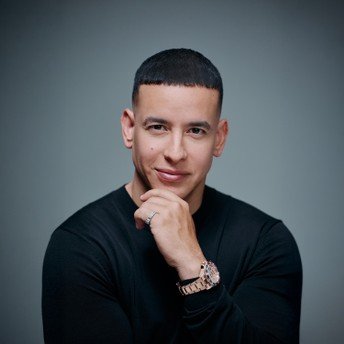
Artists like Daddy Yankee and Don Omar helped push this sound worldwide, but at its core, the Dembow rhythm remained a key element.
How Dembow Influenced Afrobeats
Afrobeats may have its roots in African rhythms, but it has always been influenced by global sounds.
Dembow played a role in shaping:
- Drum patterns
- Groove structures
- Bounce and tempo
Many modern Afrobeats tracks incorporate elements of Dembow, even if subtly.
For producers, this means:
Understanding Dembow helps you understand modern rhythm
It’s one of those foundational patterns that keeps reappearing across genres.
Why Producers Still Use Dembow Today
Dembow has lasted for decades because it works.
It:
- Makes people move
- Feels familiar
- Adapts easily to different genres
From Afrobeats to drill to pop, producers continue to use variations of this rhythm because it connects instantly with listeners.
Breaking Down the Dembow Pattern
While it may sound complex, the Dembow rhythm is actually quite simple.
It typically follows:
- Kick on the downbeat
- Snare/clap on off-beats
- Syncopated groove between elements
The magic comes from:
1. Timing
2. Swing
3. Sound selection
Small adjustments can completely change how the rhythm feels. Many producers also rely on specialized tools and plugins to fine-tune rhythm and groove more precisely.
How to Use Dembow in Your Own Production
If you’re an Afrobeats producer, learning how to use Dembow can level up your sound.
Start by:
- Studying classic patterns
- Recreating the groove
- Experimenting with tempo
Then:
- Add your own twist
- Combine it with Afro-inspired rhythms
- Use different drum sounds
To speed up this process, many producers use curated drum kits and sound packs that already capture the essence of these rhythms, such as Afroplug’s sample packs, which provide ready-to-use sounds that fit modern production styles.
Common Mistakes When Using Dembow
Even though it’s simple, producers often get it wrong:
- Overcomplicating the pattern
- Using the wrong drum sounds
- Ignoring groove and swing
- Making it too rigid
Dembow works best when it feels natural and rhythmic, not mechanical.
The Cultural Impact of Dembow
Dembow is more than music, it’s culture.
It represents:
- Caribbean identity
- Musical evolution
- Global influence
From Jamaica to the Dominican Republic to Africa and beyond, Dembow has connected different parts of the world through rhythm.
Why Dembow Continues to Shape Modern Production
One of the reasons Dembow has remained so influential is its adaptability. Producers across different genres continue to reinterpret the rhythm in new ways, blending it with emerging sounds and production styles. Whether it’s Afrobeats, reggaeton, drill, or even pop music, Dembow provides a rhythmic foundation that can be easily modified while still maintaining its core groove.
Today’s producers often experiment by layering Dembow-inspired patterns with new drum textures, swing variations, and tempo changes. This allows them to create fresh sounds while still tapping into a rhythm that listeners already connect with on a subconscious level.
For Afrobeats producers in particular, understanding how to adapt Dembow rather than copy it is key. The goal is not to recreate the exact pattern, but to use its groove as inspiration to develop something original. This is how genres evolve and how producers stay ahead creatively.
Conclusion
The story of Dembow is a reminder that some of the most powerful elements in music are also the simplest.
A single rhythm, born decades ago, has influenced multiple genres and continues to shape modern production today.
For Afrobeats producers, understanding Dembow is not just about history, it’s about improving your craft.
Because when you understand rhythm at this level, you don’t just follow trends, you create them.
