
Products
-
-
-
-
Recent reviews
-
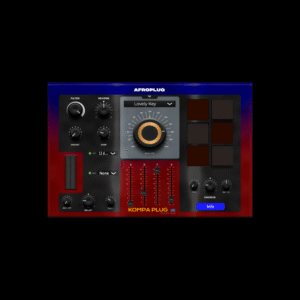
 Kompa Plug VST
by BASH
Kompa Plug VST
by BASH -
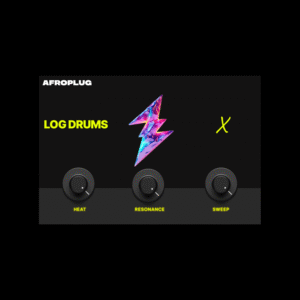
Log Drums X
by Deshawn Weshh
-
Kompa Plug VST
by Anonyme
-
Gems
by gabriel bessiere
Afroplug Podcast — From Beyoncé, Jay-Z to Rema, here are the producers we interviewed
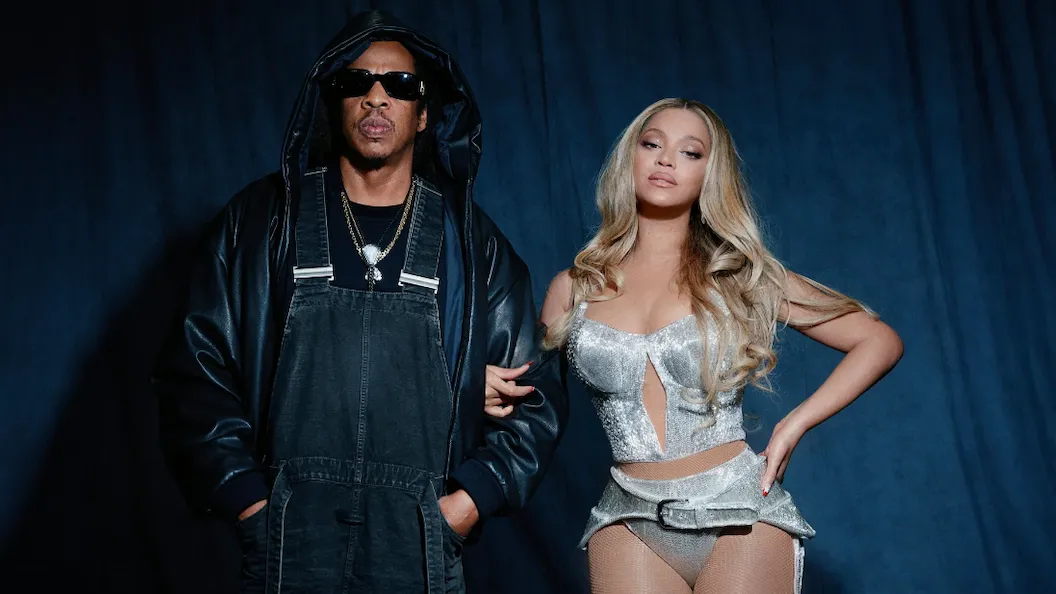
You know the songs. You’ve streamed them a thousand times. You know every word, every beat drop, every moment that hits different at 2am in your headphones. You know the artists. Their faces are everywhere — on billboards, magazine covers, festival lineups.
But you’ve never heard the name of the person who actually built the song.
The person who spent 14 hours in a dimly lit studio perfecting that snare. Who wrote the chord progression that made you feel something you couldn’t name. Who stayed up until the sun came up because the mix wasn’t hitting right yet. Who layered the vocals, programmed the drums, and turned an idea into the record that soundtracked your life.
Those people don’t get the interviews. They don’t walk red carpets. Most of the time, their names don’t even make it to the credits that anyone reads.
But without them, there is no song. Without them, there is no sound. Without them, the artist you love has nothing to perform.
We went looking for them.
We found them across four continents — from Kingston to Lagos, from Brussels to the Comoros, from Congo to Accra and more. And we sat down with every single one of them. No publicist. No filter. No prepared answers.
Just the real conversation about what it actually takes to make a record that moves the world.
This is what we learned.
MELO-X — 10 Years Inside Beyonce’s Studio
Grammy-Nominated Jamaica.
If you’ve listened to Beyonce in the last decade, you’ve heard Melo-X’s work. Move. Hold Up. Sorry. Three songs that defined an era. But those are just the ones that made the album.
Melo-X has been in the room with Beyonce for 10 years. A decade of sessions. A decade of building sounds that billions of people have heard. He also worked with Jay-Z, Tems, Ed Sheeran, Little Simz — artists who operate at the highest level of the industry.
But what does it actually mean to be a producer at that altitude for that long?
We asked him. He told us about the discipline it takes. The ego you have to leave at the door. The instinct you have to develop to know when to speak and when to stay silent. The ability to serve an artist’s vision without losing your own.
“It’s not about you,” he said. “It’s about the record. If you can remember that, you can stay in the room.”
Ten years later, he’s still there.
KEL-P — The Man Who Built Afrobeats’ Biggest Era
Grammy-nominated. Nigeria.
“It’s Kel-P Vibes!”
If you’ve heard that tag, you know what’s coming. Something hard. Something that’s going to move. Kel-P didn’t just produce records — he soundtracked an entire movement.
Burna Boy’s African Giant. Wizkid’s Ginger. Rema’s Peace of Mind. Davido. The list goes on. Lagos-born and globally recognized, Kel-P became one of the most in-demand producers in Afrobeats at a time when the genre was conquering the world.
But here’s the part most people don’t know: he built a huge chunk of African Giant from a hotel room.
Not a world-class studio. Not a million-dollar facility. A hotel room in Lagos where Burna Boy had set up camp for two months. Kel-P didn’t leave. He stayed in that room. He made 33 songs in two months. Only a fraction of them made the album. The rest are still on his hard drive.
“We were just making music,” he told us. “I didn’t even know we were making an album until it was done.”
That album got nominated for a Grammy. Kel-P’s career was never the same.
KAYSHA — The Legend Who Shaped African Diaspora Music
Producer. Congo.
Zouk. Kompa. Kizomba. Coupé Décalé.
If you grew up anywhere in the African diaspora, you know these sounds. And if you know these sounds, you’ve been influenced by Kaysha — whether you realize it or not.
Born in Congo, Kaysha became one of the most important architects of Afro-Caribbean and Afro-Latin music. His influence stretches across three continents. Producers in Paris, Lisbon, and Johannesburg have studied his work. Artists have built entire careers on the foundation he laid.
But Kaysha doesn’t move like a celebrity. He moves like a craftsman. Focused. Intentional. Obsessed with the details that most people will never notice but that make all the difference.
We talked to him about legacy. About what it means to define a genre. About what happens when the thing you built becomes bigger than you ever imagined.
“I never set out to create a movement,” he said. “I just wanted to make music that felt like home.”
Millions of people now call that music home.
DJ SEPTIK — From Brussels to a Grammy Stage
Grammy Winner. Belgium.
Nobody expected a Grammy winner to come out of Belgium.
But DJ Septik didn’t care what anyone expected. He saw a lane that didn’t exist and built it himself — bridging European electronic music with Jamaican dancehall in a way that nobody had done before.
The result? Collaborations with Vybz Kartel. Spice. Major Lazer. Diplo. Skrillex. And a Grammy that proved the gamble was worth it.
“People told me it wouldn’t work,” he said. “They said the sounds were too different. That the cultures wouldn’t mix. But I didn’t listen. I just kept building.”
He told us about the years of grinding before anyone knew his name. The nights in basement clubs in Brussels. The rejection. The doubt. And then the moment when everything shifted — when the right record hit the right ears at the right time, and suddenly the doors that had been closed started opening.
“The Grammy didn’t change me,” he said. “But it changed how people saw me. And that opened up everything.”
STILL NAS — The Quiet Architect of French Music
Producer. Comoros.
If you follow French rap, you know the names. Dadju. Tiakola. Franglish. MHD. Fally Ipupa. Alonzo. Vegedream.
What you might not know is that a huge portion of their biggest records were built by the same person — a producer from the Comoros who moves so quietly that most people have never heard his name.
Still Nas doesn’t do interviews. He doesn’t chase clout. He doesn’t need to. His work speaks for itself.
From the Comoros to the center of Francophone music, Still Nas became one of the most trusted producers in the game. Artists come to him because they know he’s going to deliver. Every time.
“I don’t need to be famous,” he told us. “I just need the music to be undeniable.”
It is.
BOOMDRAW — The Jamaican Producer on the Grammy Radar
Grammy-nominated. Jamaica.
Reggae. Dancehall. Two genres with deep roots and high standards. You don’t just walk into that world and get respect. You earn it. Over years. Over decades.
Boomdraw earned it.
His work with Jesse Royal put him on the global radar. His Grammy nomination confirmed what the Caribbean already knew — that Boomdraw is one of the most important voices in the culture.
But he told us that the nomination didn’t change everything. It changed some things. It opened some doors. It brought some opportunities. But the grind is still the grind.
“A Grammy nomination is amazing,” he said. “But it doesn’t make the rent easier. It doesn’t make the studio sessions shorter. It doesn’t make the work less hard.”
What it does do, he said, is remind you that the work matters. That people are paying attention. That the culture is watching.
And for Boomdraw, that’s enough.
SILENT ADDY & DISCO NEIL — The Beat Behind a Global Hit
Producers. Jamaica.
Shake It to the Max by Moliy. You’ve heard it. You’ve probably danced to it. It traveled the world in a way that nobody predicted.
Behind that record are two producers from Jamaica — Silent Addy and Disco Neil. We sat down with them and got the full story.
How the beat was made. How the session went. How they knew — the exact moment — that this record was going to be something special.
“You can feel it in the room,” they told us. “When you have that feeling, you don’t let the artist leave until the song is done. You keep going. You stay up all night if you have to. Because you know you’ve got something.”
They stayed up. They finished it. And the world pressed play.
The Conversations That Never Make It to the Press
These are not celebrity interviews. These are not promotional campaigns. These are real conversations with the people who build the records you love.
Producers don’t get the spotlight. They don’t get the magazine covers. Most of the time, they don’t even get properly credited.
But they are the foundation. Without them, nothing else exists.
That’s why we made this podcast. To tell their stories. To give them the platform they deserve. To show the world what it actually takes to make a hit record.
From Beyonce to Rema. From Jay-Z to Vybz Kartel. From Lagos to Kingston to Brussels to the Comoros.
We found the producers. We asked the questions. We got the answers.
Now it’s your turn to listen.
Want the full episodes?
Everything here : https://afroplug.com/podcast/
Available on YouTube and Spotify, Amazon Music & Apple Podcasts
Afroplug Podcast — The producers behind the hits.
