

Products

Recent reviews
-
 Log Drums X
by Deshawn Weshh
Log Drums X
by Deshawn Weshh -
Kompa Plug VST
by Anonyme
-
Gems
by gabriel bessiere
-
Gems
by ilyes abou-ghandour



James BKS : Manu Dibango’s Son, Producer & Artist on Idris Elba’s Label — Interview
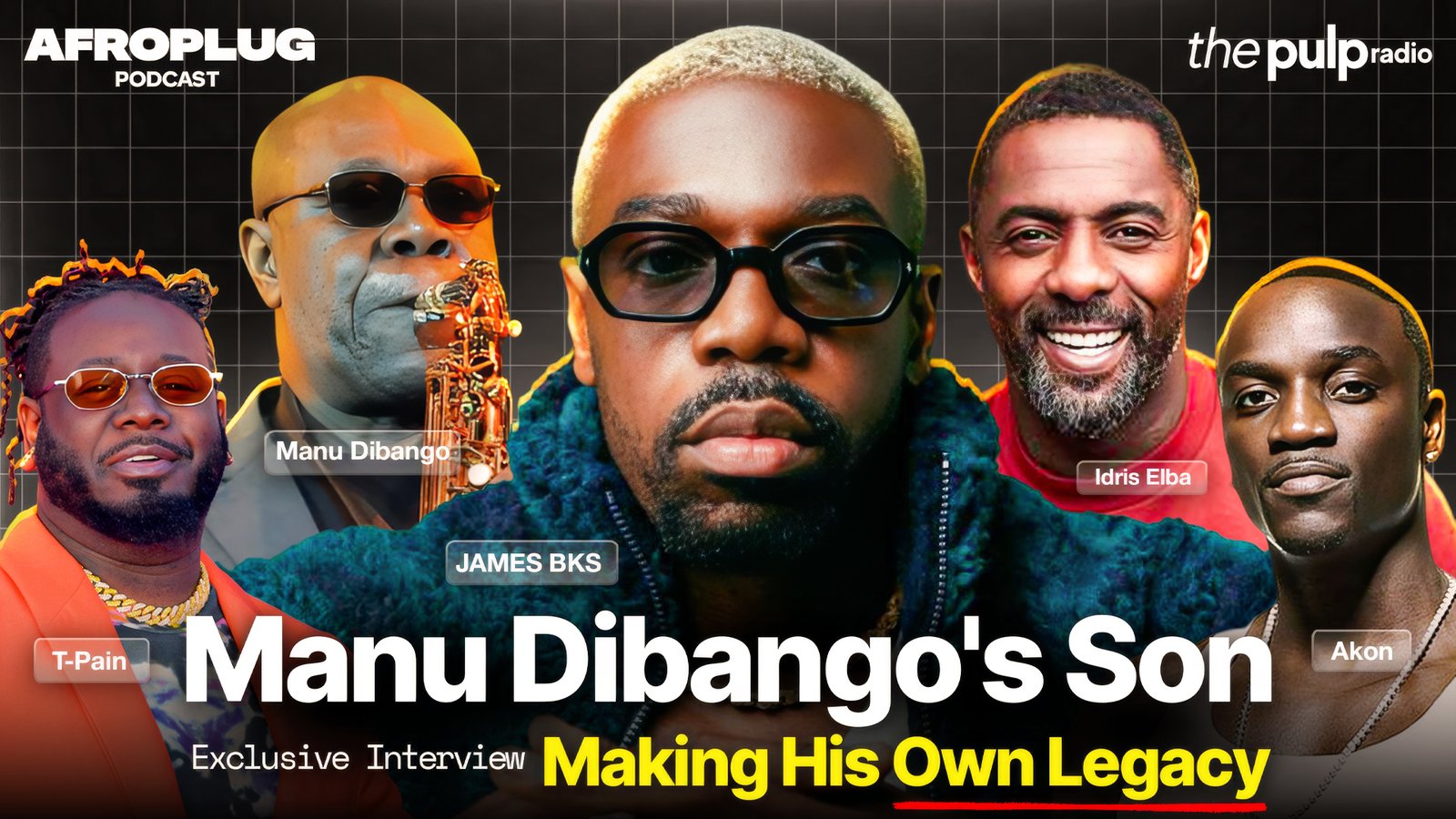
In the latest episode of Afroplug Podcast, we sit down with James BKS—a Cameroonian producer, artist, and the son of Afrobeat legend Manu Dibango.
This conversation goes beyond the typical music interview; it’s an intimate exploration of identity, legacy, and the courage it takes to forge your own path when your father’s shadow looms large over the entire music industry.
Growing Up as Manu Dibango’s Son
Manu Dibango wasn’t just a musician—he was an icon. The man who gave the world “Soul Makossa,” the first African single to chart on the Billboard Hot 100, and whose saxophone became synonymous with the golden age of African music. So what does it mean to grow up as the son of such a towering figure?
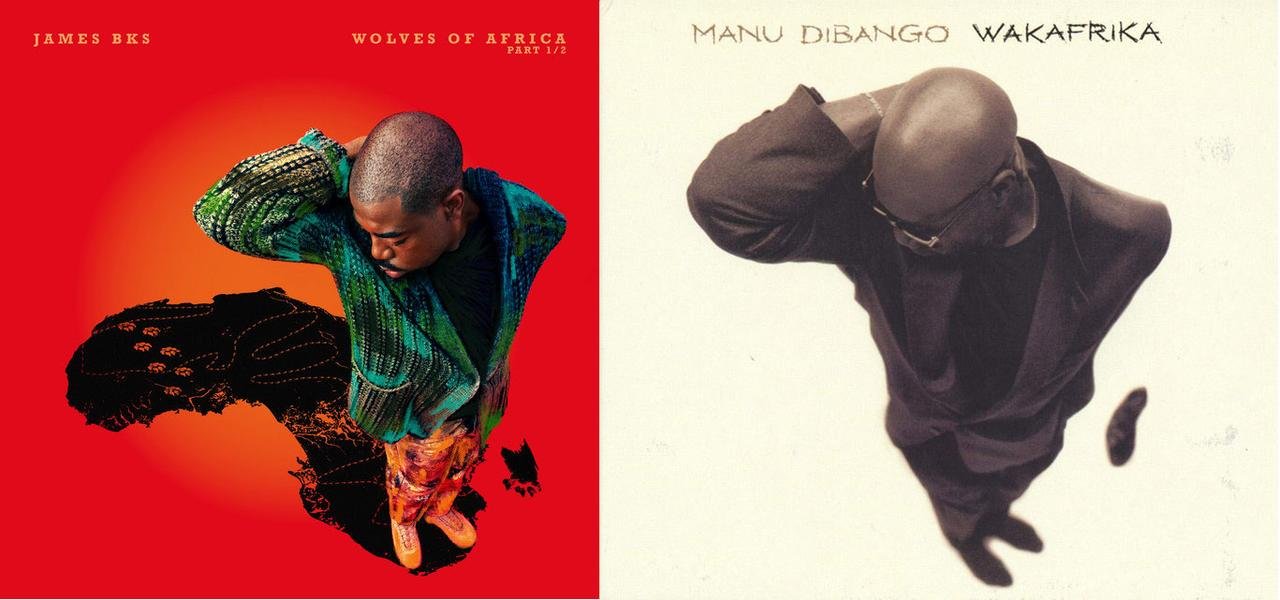
For James BKS, it meant navigating the complex terrain between inherited legacy and personal ambition. In our conversation, James opens up about the unique pressures and privileges that come with his last name. There’s the obvious pride, of course—the connection to a man who fundamentally changed how the world heard African music. But there’s also the weight of expectation, the constant comparisons, and the question that follows you everywhere: “Will you live up to your father’s name?”
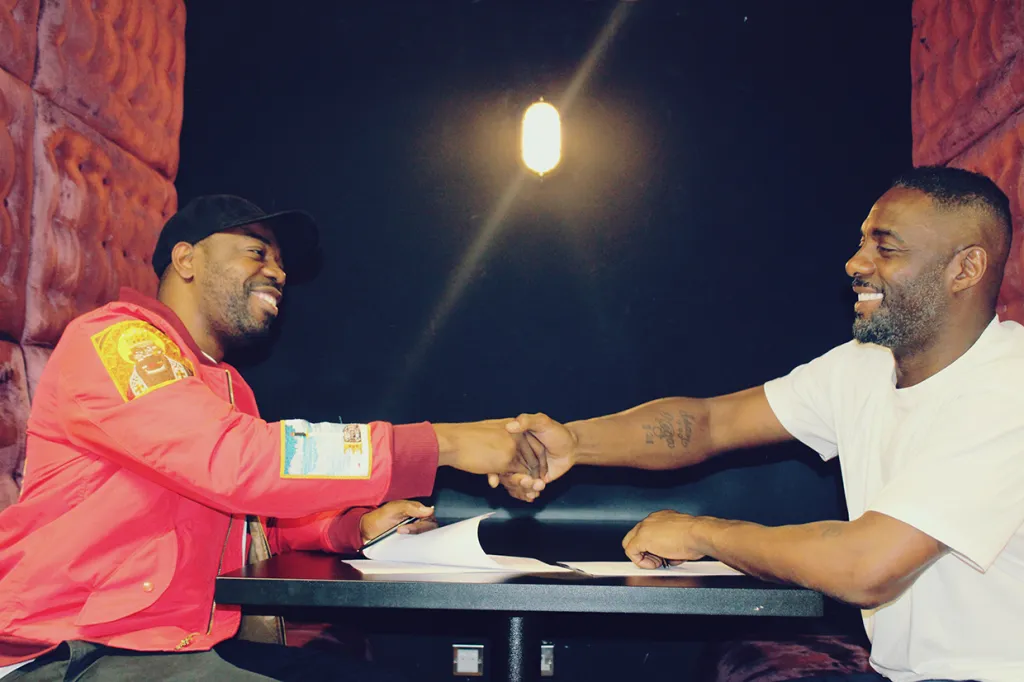
What makes James’s story compelling is how he’s chosen to answer that question—not by trying to replicate his father’s success, but by defining success on his own terms.
From Cameroon to the Global Stage
James BKS represents a new generation of African artists who refuse to be boxed into a single genre or geographic identity. Born in Cameroon but shaped by experiences across continents, his music reflects the reality of modern African identity—fluid, global, and unapologetically ambitious.
In the interview, James discusses his journey from the vibrant music scene of his homeland to collaborating with some of the biggest names in international music. His path hasn’t been straightforward, and that’s precisely what makes it interesting. This isn’t a story of overnight success or nepotistic shortcuts. It’s a story of grinding, learning, and slowly building a reputation based on talent and work ethic rather than just a famous last name.
The Akon and T-Pain Era
Before landing on Idris Elba’s 7Wallace label, James BKS cut his teeth working with industry heavyweights like Akon and T-Pain. These weren’t just collaborations—they were masterclasses in production, songwriting, and the business of music.
Working with Akon, in particular, exposed James to the machinery of hit-making at the highest level. Akon, himself an African artist who conquered the American charts, understood the unique position James occupied—caught between continents, between expectations, between his father’s legacy and his own dreams.
The collaboration with T-Pain added another dimension to James’s sonic palette. T-Pain’s innovative use of Auto-Tune and his genre-blending approach influenced how James thought about production. These experiences weren’t just about making records; they were about understanding how to navigate the music industry as an African artist with global ambitions.
Finding His Signature Sound
One of the most fascinating parts of the conversation revolves around James’s quest to find his own signature sound. This is where the interview gets deeply personal. How do you honor your musical heritage without becoming a tribute act? How do you incorporate the sounds of your childhood without being labeled as “traditional” or “ethnic” in a way that limits your commercial potential?
James talks candidly about this struggle. He didn’t want to be known solely as “the Makossa guy” or “Dibango’s son trying to do what his father did.” Instead, he’s been on a journey to create something that feels authentically him—a sound that acknowledges his roots while embracing contemporary production techniques and global influences.
The result is music that defies easy categorization. It’s African, yes, but it’s also R&B, electronic, pop, and hip-hop. It’s the sound of someone who grew up with Fela Kuti and Jay-Z in their headphones, who understands both the talking drums and the 808s, who can move seamlessly between a studio in Lagos and a studio in Los Angeles.
Ndolo: The Latest Chapter
James’s latest project, featuring the track “Ndolo,” represents the culmination of this artistic journey. In the interview, he breaks down the creative process behind the project, the inspiration, and what he’s trying to communicate with this new body of work.
“Ndolo” isn’t just a song—it’s a statement. It’s James saying, “This is who I am as an artist. This is my voice.” The track showcases his growth as a producer and his confidence as a vocalist. It’s polished yet authentic, contemporary yet rooted, personal yet universal.
The Idris Elba Connection
Perhaps one of the most intriguing aspects of James BKS’s current chapter is his relationship with Idris Elba’s 7Wallace label. Elba, the acclaimed actor and DJ, has built 7Wallace as a platform for innovative, boundary-pushing artists who don’t fit neatly into industry boxes.
For James, signing with 7Wallace represented validation—not of his father’s legacy, but of his own artistic vision. Elba understood what James was trying to do musically and believed in it enough to offer him a platform.
In our conversation, James discusses what it means to be part of the 7Wallace family. It’s more than just a record deal; it’s an artistic partnership with someone who genuinely understands the challenges of being a multi-hyphenate creative, someone who’s had to prove themselves outside of their primary field.
The synergy between James and Elba makes sense when you think about it. Both are expanding their creative lanes, both are interested in bridging cultures, and both understand that the future of music is global, collaborative, and genre-fluid.
Running His Own Label
Beyond being an artist signed to Elba’s label, James has also launched his own imprint. This move speaks to his entrepreneurial spirit and his desire to create opportunities for other artists.
Running a label while being an artist yourself is no small feat. It requires a different skill set, a different mindset. You’re not just thinking about your own career; you’re thinking about artist development, marketing strategies, distribution deals, and building a roster that makes sense together.
In the interview, James touches on his vision for his label. He wants to create a home for artists who, like him, don’t fit neatly into existing categories. Artists who are African but global, traditional but contemporary, commercial but artistic.
Collaborations and Stanley Enow
James’s collaborative work extends beyond American artists. His work with Cameroonian rapper Stanley Enow represents his commitment to the African music scene and his desire to bridge the gap between different African markets.
Stanley Enow, one of Cameroon’s biggest hip-hop exports, represents a different facet of African music’s global rise. His collaboration with James showcases the power of African artists supporting each other, creating music that speaks to both local and international audiences.
These collaborations are strategic, not just musically but culturally. They represent James’s understanding that African music’s future depends on African artists building strong ecosystems, supporting each other, and creating music that competes on the global stage while maintaining its cultural authenticity.
The Legacy Question
Throughout the conversation, we return again and again to the question of legacy. What does it mean to honor your father’s contribution to music while carving out your own space? How do you pay tribute without being trapped by the past?
James’s answer is elegant in its simplicity: by being excellent. By working hard. By creating music that stands on its own merits. By being so undeniably good that people stop seeing you as “someone’s son” and start seeing you as an artist in your own right.
There’s a beautiful moment in the interview where James talks about what he thinks his father would make of his career. It’s clear that while Manu Dibango’s approval mattered to him, James has reached a point where he’s confident in his own artistic choices, where he trusts his own instincts, where he’s made peace with the fact that his path will look different from his father’s—and that’s okay.
Bridging African Music and Global Culture
One of the recurring themes in our conversation is James’s role as a bridge-builder. He’s not just making music; he’s facilitating conversations between different musical traditions, different markets, different ways of thinking about what African music can be.
This isn’t about diluting African music to make it palatable to Western audiences. It’s about showcasing the sophistication, diversity, and global relevance of African musical traditions. It’s about proving that you don’t have to choose between being authentically African and being commercially successful on the world stage.
James represents a generation of African artists who refuse the false choice between “local” and “global,” between “authentic” and “commercial,” between “traditional” and “contemporary.” They’re creating a third space—a space where all these seemingly contradictory elements coexist and strengthen each other.
The Business of Music
What’s refreshing about James is his willingness to talk about the business side of music. Too often, artists present themselves as purely creative beings, as if the business aspects of their career just happen magically in the background.
James doesn’t do that. He talks openly about contracts, about label negotiations, about the importance of owning your masters, about building sustainable careers rather than chasing viral moments. This is the conversation young African artists need to hear—not just about making great music, but about building great careers.
His experience working with different labels—from Akon’s Konvict Music to Idris Elba’s 7Wallace to now running his own—has given him a comprehensive understanding of the music business from multiple angles. He understands what it’s like to be the artist hoping for a fair deal, the signee trying to maintain creative control, and the label owner trying to build a sustainable business.
The Future of African Music
Toward the end of our conversation, we discuss where African music is heading. James is optimistic but realistic. He sees incredible talent emerging from across the continent, he sees infrastructure improving, he sees the world finally paying attention to what African artists have been doing for decades.
But he’s also clear-eyed about the challenges. There’s still a tendency in the West to treat African music as a monolith, to expect all African artists to sound a certain way or to serve as cultural ambassadors rather than just being artists. There are still structural barriers—limited access to certain markets, difficulty getting paid fairly for streams, visa issues that prevent artists from touring freely.
James’s hope is that his generation can break down some of these barriers, can make it easier for the generation coming after them. That’s part of why he’s invested in his label, why he takes time to mentor younger artists, why he’s intentional about the platforms he uses and the partnerships he forms.
What Makes This Interview Special
This conversation with James BKS is special because it goes beyond surface-level questions about music and delves into deeper territory—identity, legacy, cultural responsibility, and what it means to be an African artist in a globalized world.
James is articulate, thoughtful, and refreshingly honest. He doesn’t pretend to have all the answers, but he’s clearly someone who’s thought deeply about these questions, who’s lived with them, who’s trying to navigate them with integrity.
For anyone interested in African music, in the business of music, in the question of how artists balance commercial success with artistic authenticity, this interview offers valuable insights. For young African artists trying to figure out their own path, James’s story provides a roadmap—not a formula to copy, but proof that it’s possible to honor where you come from while creating something entirely your own.
Final Thoughts
James BKS is more than Manu Dibango’s son. He’s more than a producer or an artist or a label owner. He’s a storyteller, a bridge-builder, and a pioneer in his own right. His journey from the shadow of a legend to the spotlight of his own making is inspiring, instructive, and still unfolding.
This interview captures James at a pivotal moment in his career—confident in his artistry, clear about his vision, and ready to write the next chapter of his story. It’s a story worth following, and a conversation worth having.
The full interview is available now on Afroplug’s YouTube channel and Spotify podcast. Whether you’re a fan of African music, interested in the music business, or simply curious about what it takes to create your own legacy while honoring the one you inherited, this conversation has something for you.
James BKS is proof that legacies aren’t just inherited—they’re also created. And he’s just getting started.
Watch the full interview now on Afroplug YouTube and follow James BKS on his journey as he continues to bridge African music with global culture, one track at a time.
