
Products
-
-
 Logic Pro X - Beginner Mixing & Mastering
Original price was: €128.14.€42.71Current price is: €42.71.
Logic Pro X - Beginner Mixing & Mastering
Original price was: €128.14.€42.71Current price is: €42.71.
-
-
 100K Clients - Music Tech Founder Guide (No Ads_ No Investors)
Price range: €0.00 through €17.08
100K Clients - Music Tech Founder Guide (No Ads_ No Investors)
Price range: €0.00 through €17.08
Recent reviews
-
 Gems
by chekina de canto lukusa
Gems
by chekina de canto lukusa
-
Gems
by edwar cerce
-
Gems
by edwar cerpe
-
 Kompa Plug VST
by Peter E.
Kompa Plug VST
by Peter E.
How Reggae Was Born
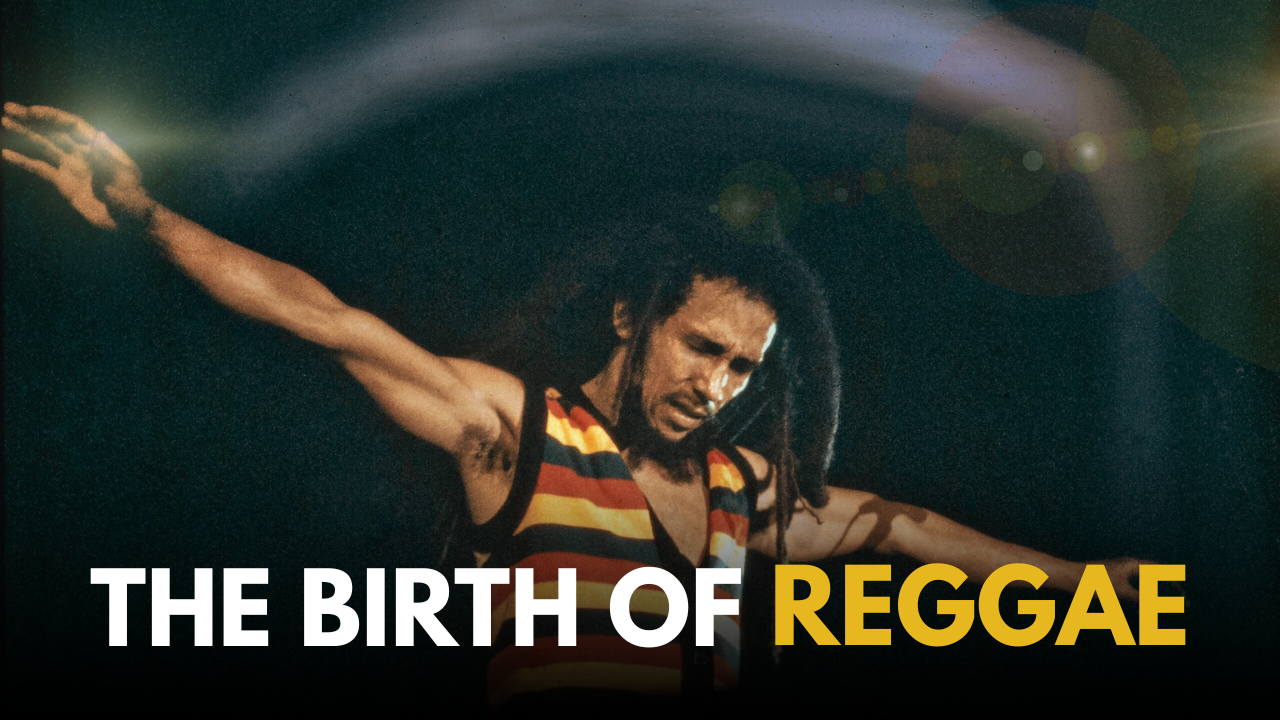
The rhythmic heartbeat of Jamaica, reggae music, emerged from the vibrant cultural melting pot of the island in the late 1960s. It wasn’t a sudden explosion but a gradual evolution—a confluence of earlier Jamaican genres, American rhythm and blues, and the deep-seated spiritual and social consciousness of its people.
The Birth of Reggae: Jamaica’s Rhythmic Heartbeat
To truly understand reggae’s birth, we must journey back through the sounds that paved its way, examining the influences that shaped its unique character and enduring global appeal.
Here’s a fantastic video from Afroplug that dives deeper into plugins for making Reggae Beats :
Ska: The Foundation of Jamaican Popular Music
Before reggae, ska reigned supreme. Born in the late 1950s, ska was an upbeat, energetic genre characterized by a walking bass line, guitar, and piano emphasizing the offbeat, and a driving drum rhythm. It was a fusion of mento (Jamaican folk music), calypso, American jazz, and rhythm and blues.
Ska reflected the optimism and excitement of Jamaica gaining independence in 1962. Bands like The Skatalites were instrumental in defining the sound, laying down the instrumental foundations that would later be reinterpreted and slowed down in future genres.
Rocksteady: Slowing the Groove
As the 1960s progressed, Jamaica’s musical landscape began to shift. The sweltering summer of 1966 is often cited as a catalyst for change. The intense heat made the fast-paced rhythms of ska less appealing, prompting musicians to slow down the tempo.
This deceleration birthed rocksteady. While it retained the walking bass line, the bass became more prominent and expressive. Guitar and piano offbeats softened, and drum patterns became simpler—often focusing on the one-drop rhythm, where the bass drum emphasizes the third beat of each measure.
Vocal harmonies grew more intricate and soulful, drawing inspiration from American soul music. Artists such as Alton Ellis, Phyllis Dillon, and Ken Boothe rose to prominence, delivering songs about love, heartbreak, and social issues with emotional depth.
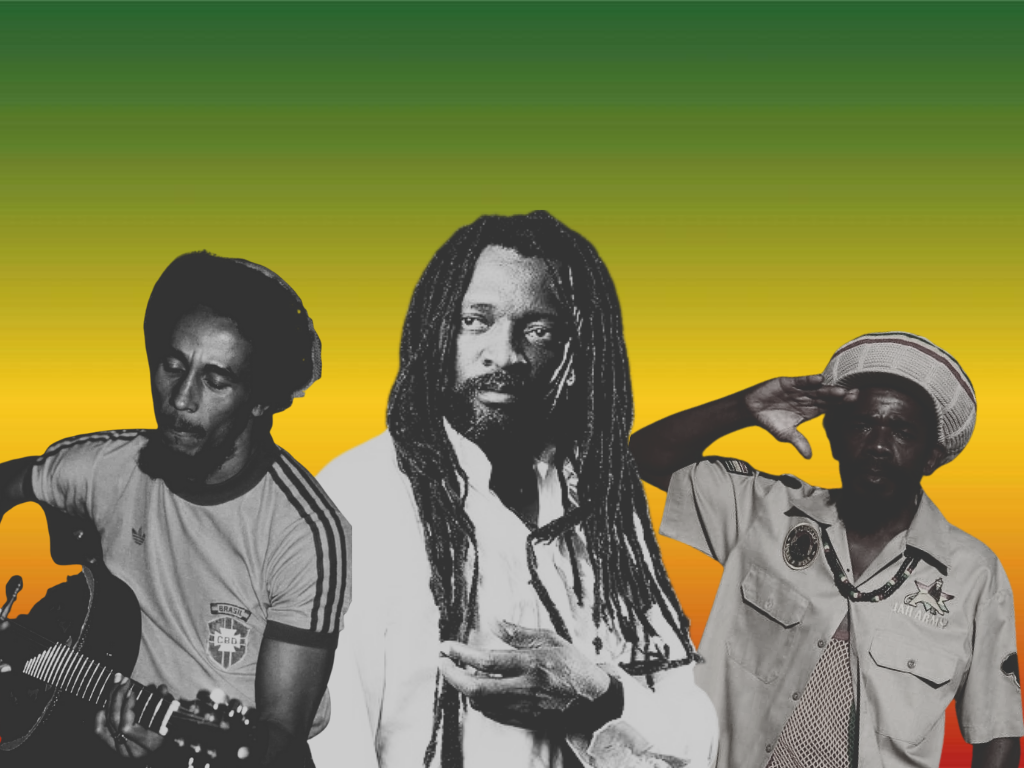
The Transition from Rocksteady to Reggae
The transition from rocksteady to reggae was subtle but transformative. By the late 1960s, musicians continued experimenting with rhythm and structure. Bass lines became more melodic and complex, often serving as the song’s central anchor.
The guitar’s skank—the sharp, percussive strumming on the offbeat—became more pronounced, while drum patterns evolved into a more syncopated, driving force. The one-drop rhythm, present in rocksteady, now became a defining hallmark of reggae, giving the genre its unmistakable groove and swing.
Reggae’s Identity: Rhythm, Spirituality, and Social Consciousness
Beyond rhythm, reggae distinguished itself through its message. Lyrics increasingly reflected social commentary, political awareness, and Rastafarian spirituality, addressing themes of oppression, resistance, faith, and unity.
This powerful blend of musical innovation and cultural expression solidified reggae as a distinct genre—one that resonated far beyond Jamaica’s shores.
And a tutorial on how to make great reggae beats using Jammin:
Reggae’s Global Legacy
From its humble beginnings in the Kingston ghettos to its global recognition as a voice of freedom and unity, reggae’s journey is a testament to the power of music to reflect, inspire, and transform.
Deeply rooted in culture, spirituality, and rhythmic innovation, reggae continues to influence artists worldwide. And with tools like Afroplug’s Suns of Dub reggae and dubs root, a new generation of creators can explore, reinterpret, and contribute to this rich and enduring legacy.